Welcome to Ireland
Fáilte go hÉirinn
Welcoming Irish traditional games and sports to Tocatì means opening the doors to an island that has made play a matter of resistance and belonging. In Ireland, play has never been separated from life: it has remained in country roads, meadows, pubs, in the hands and memories of those who have passed it on from generation to generation.
The Gaelic Games — hurling, camogie, Gaelic football, handball, rounders — are living expressions of a culture passed down through centuries of difficult history. Hurling, with over three thousand years of history, has been recognised by UNESCO as Intangible Cultural Heritage: not only for its antiquity, but for what it represents today in the communities that practise it. It is considered an intrinsic part of Irish culture, with a central role in promoting health, inclusivity and team spirit. The clubs and associations that carry it forward are voluntary organisations: no one is paid to play, and no one stops.
The Games You Will Encounter at Tocatì
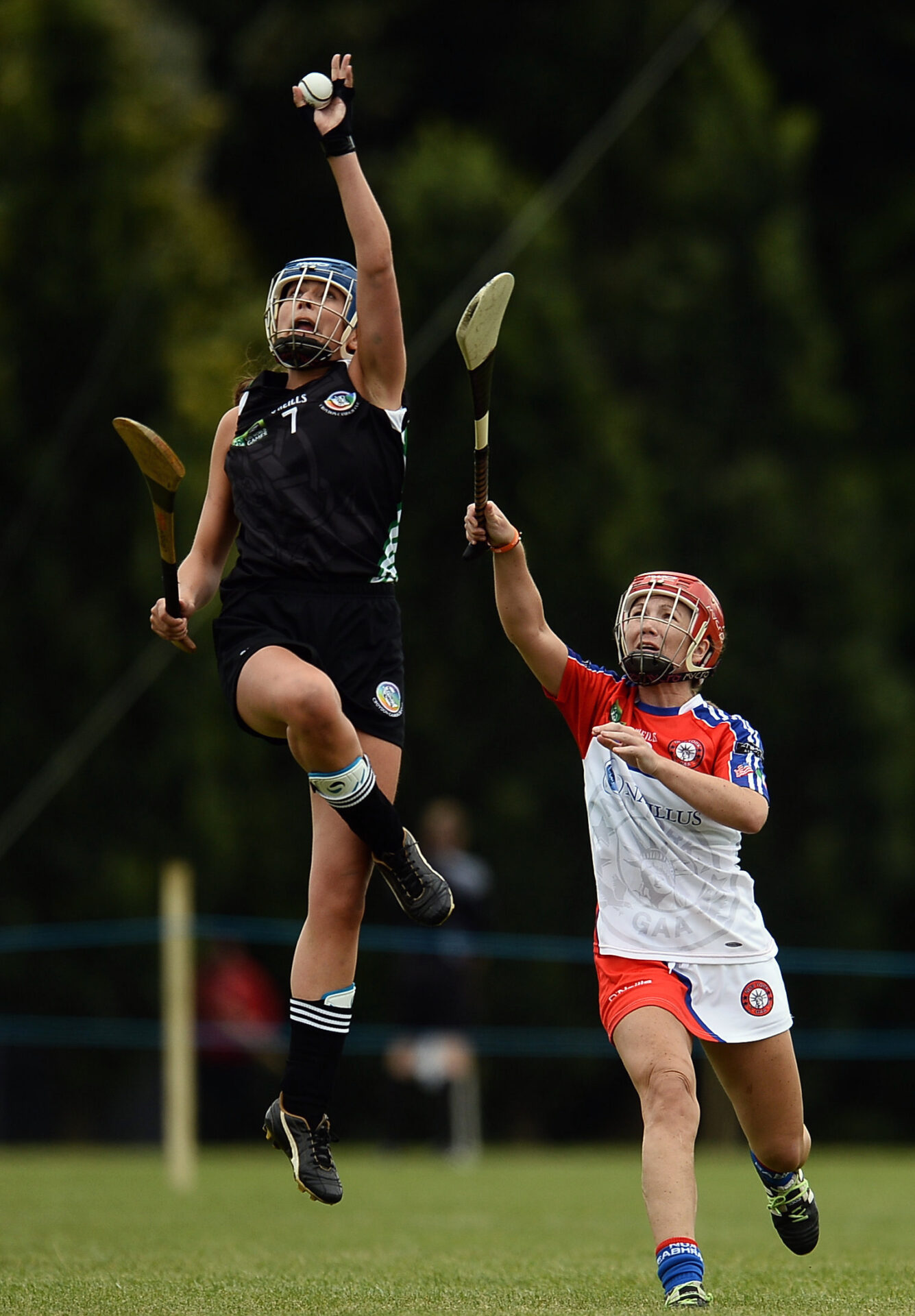
Hurling and Camogie are the beating heart of the Gaelic Games. Hurling is the fastest team sport in the world: the sliotar, the small leather ball, can reach 150 km/h. Yet within this speed there is precision, there is reading of the field, there is understanding between players who have known each other all their lives. Camogie, the women’s version of hurling, shares the same intensity and beauty, with its own rhythm and tactical approach.
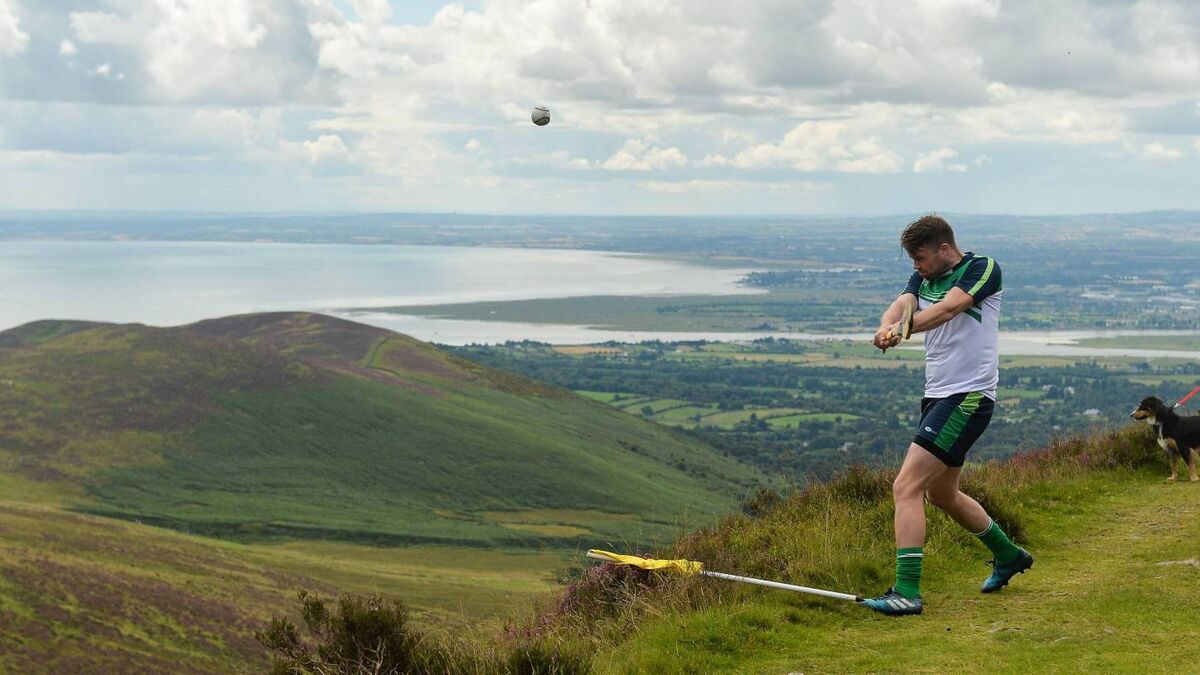
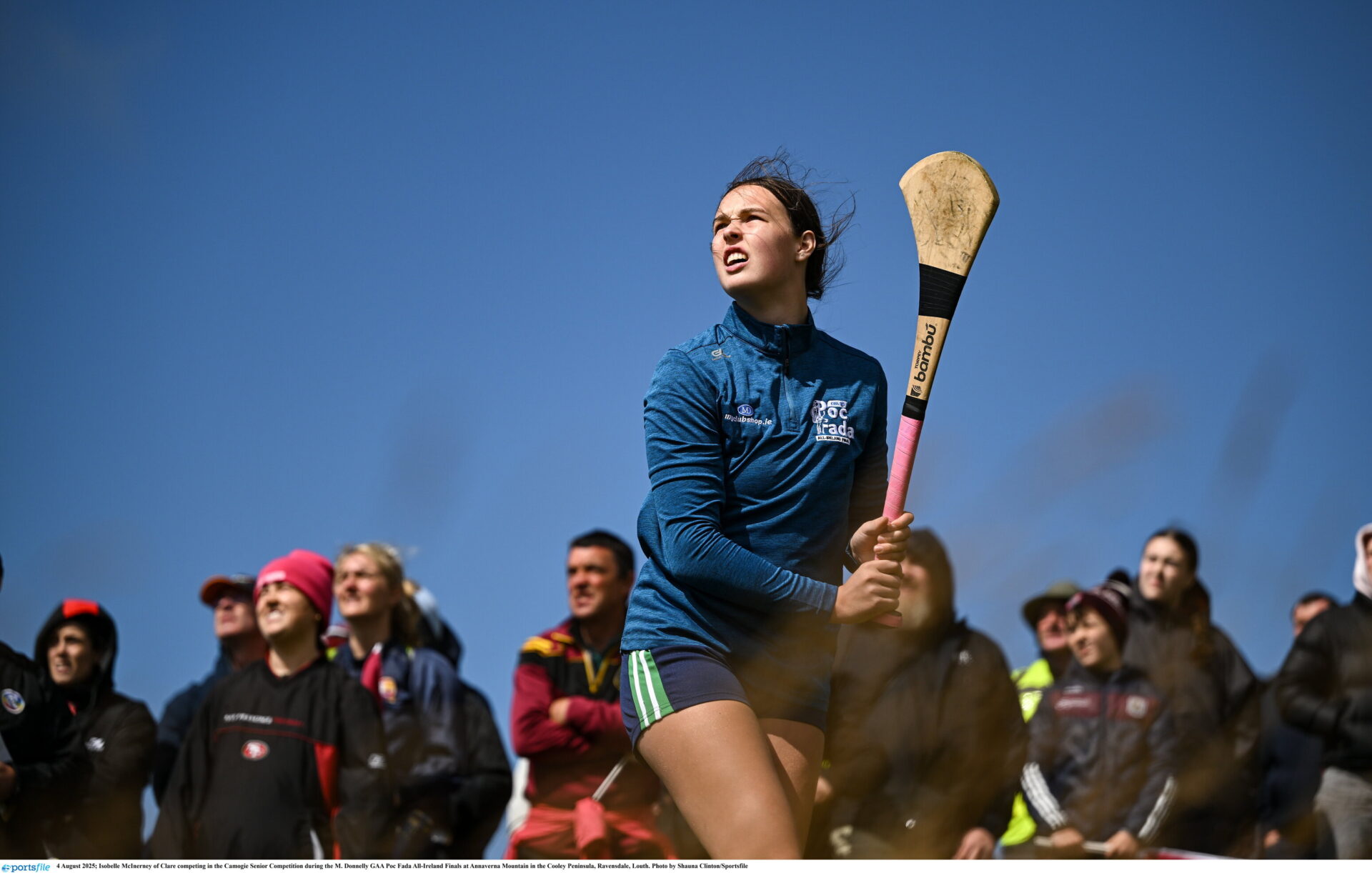
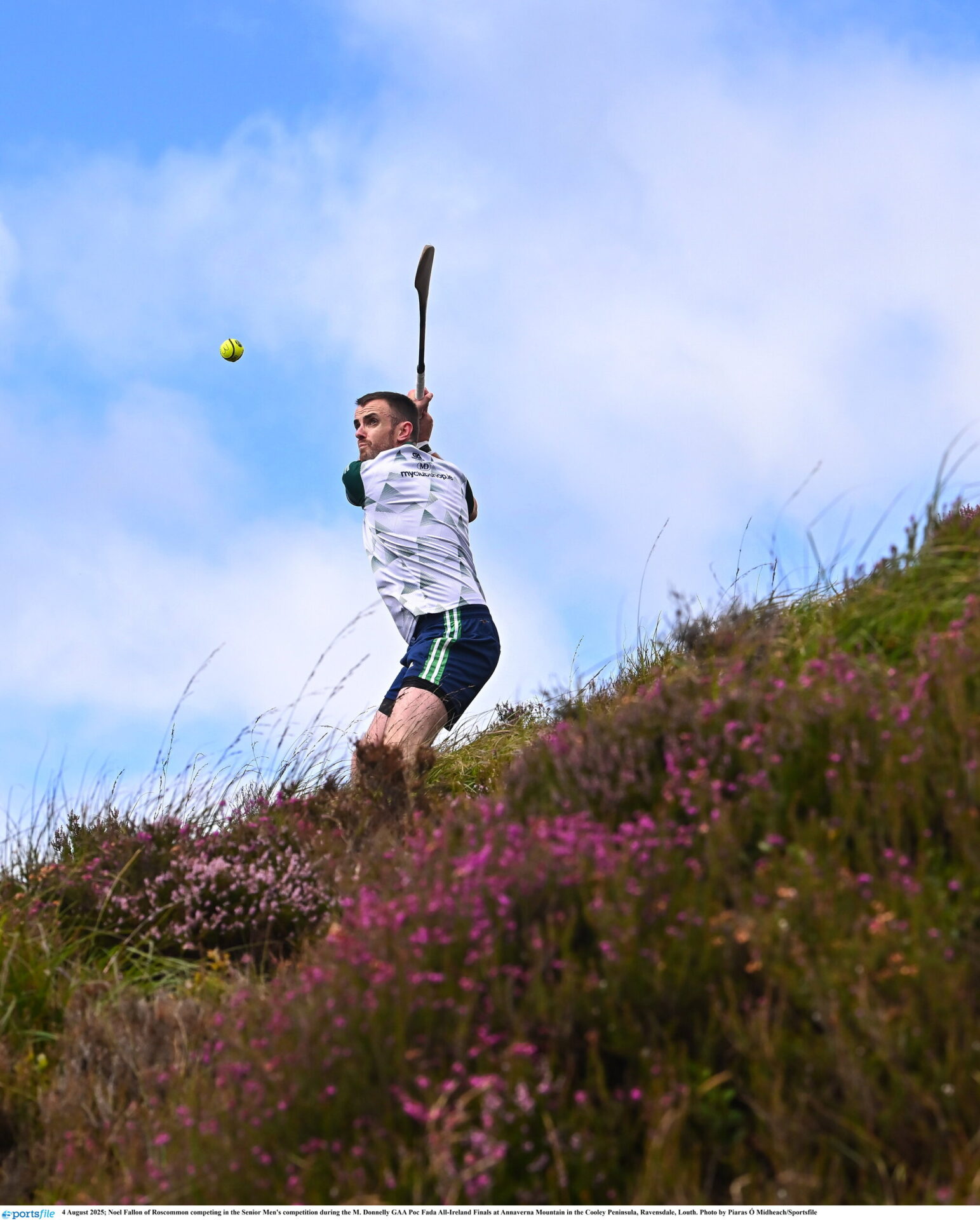
Poc Fada is a traditional competition in which Hurling and Camogie players strike a sliotar along a mountain route, trying to cover kilometres with the fewest strokes. The most celebrated version takes place in the Cooley Mountains in County Louth and is inspired by an ancient legend. A game that turns landscape into field, and the walk into a challenge.
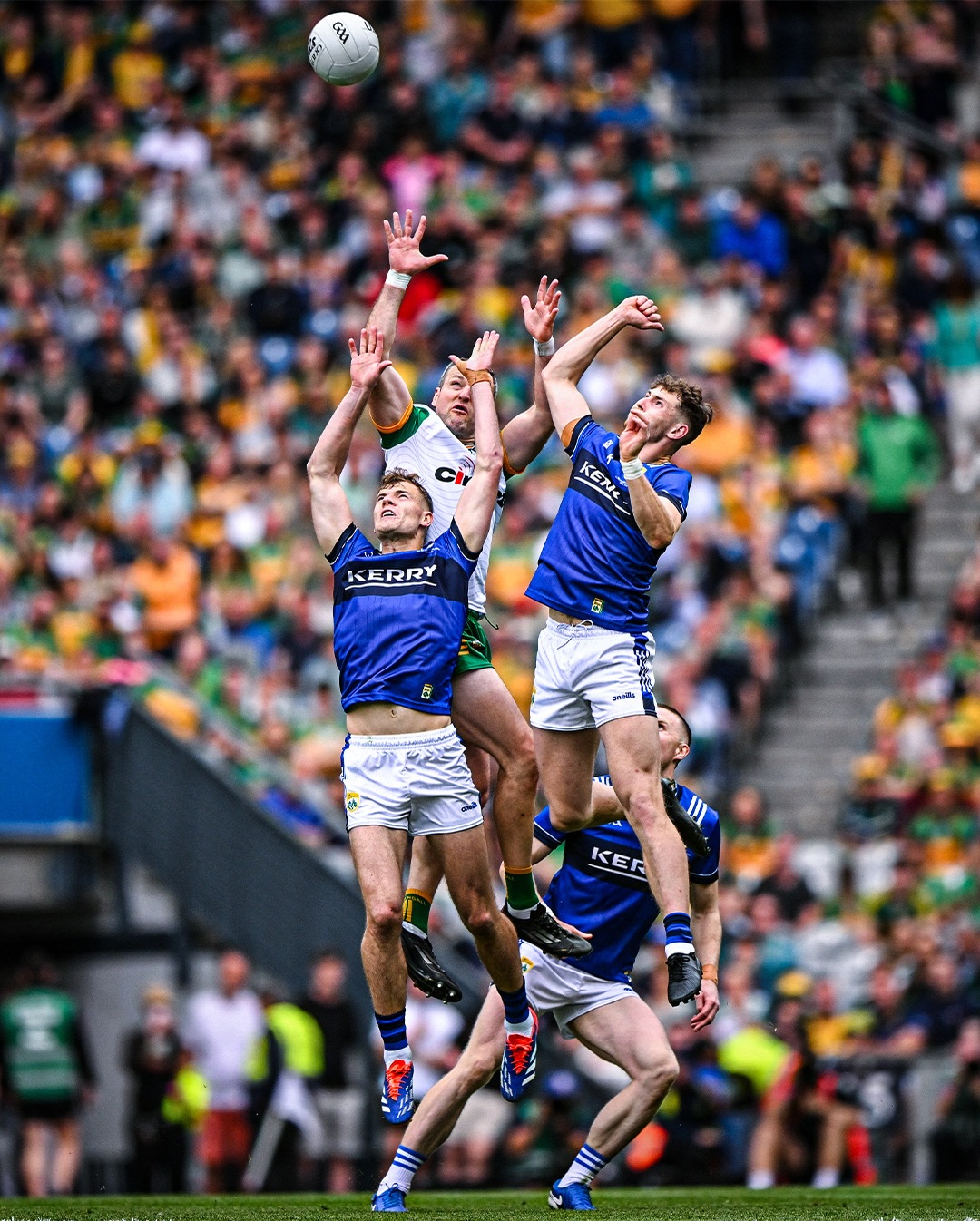
Gaelic Football combines elements of football, rugby and basketball into a game read with the whole body. Fast, physical, collective: a sport that transforms every community into a team. The Ladies Gaelic Football Association is one of the fastest growing amateur sporting organisations in the world, empowering girls and women through sport, community and opportunity both in Ireland and increasingly across the globe.
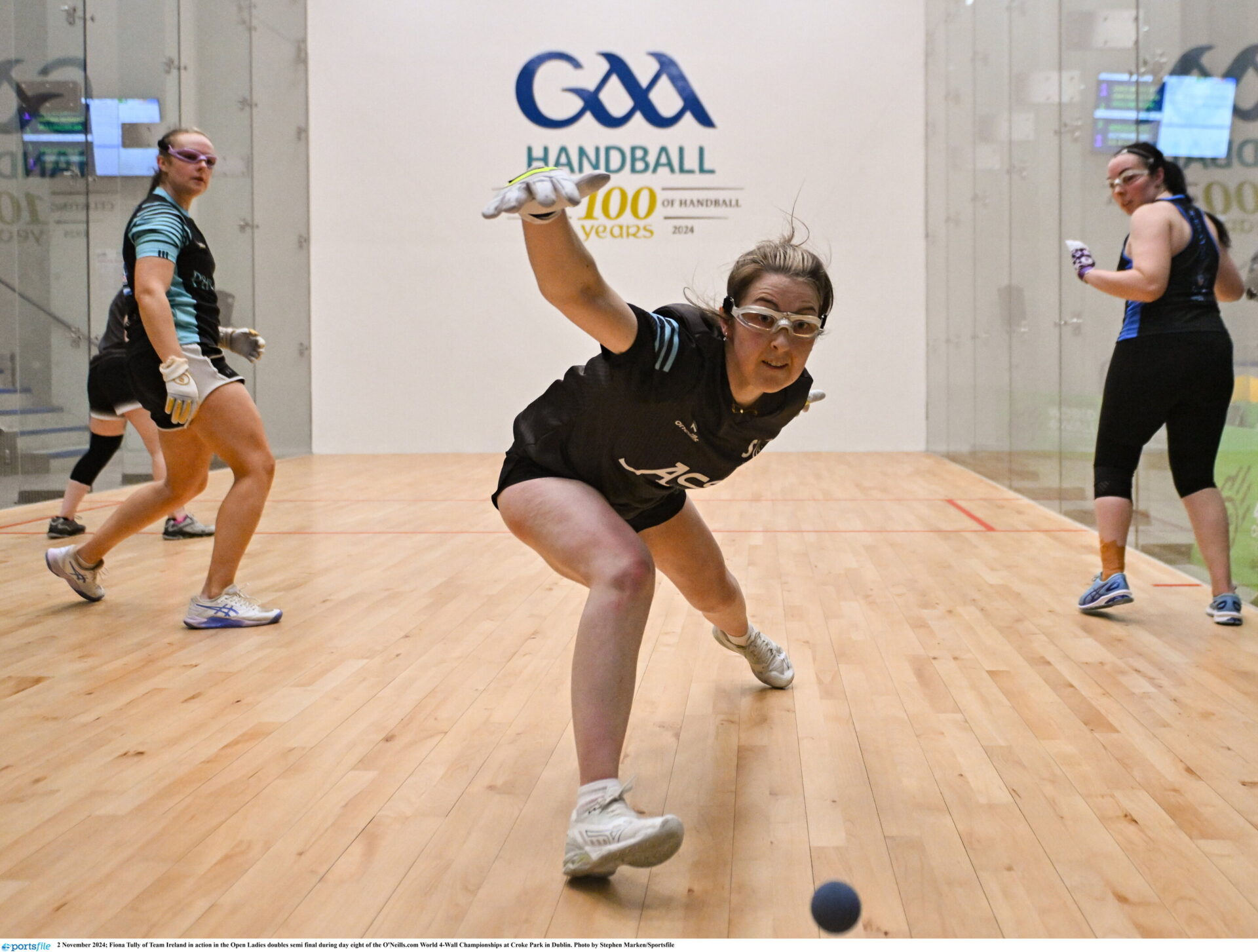
GAA Handball (liathóid láimhe) is one of the oldest games on the island. The first written reference to a similar game in Ireland dates to the early 1500s, and archaeological finds suggest that older versions go back as far as the Celtic era. A small ball, a wall, the hands: the most essential gesture of play.
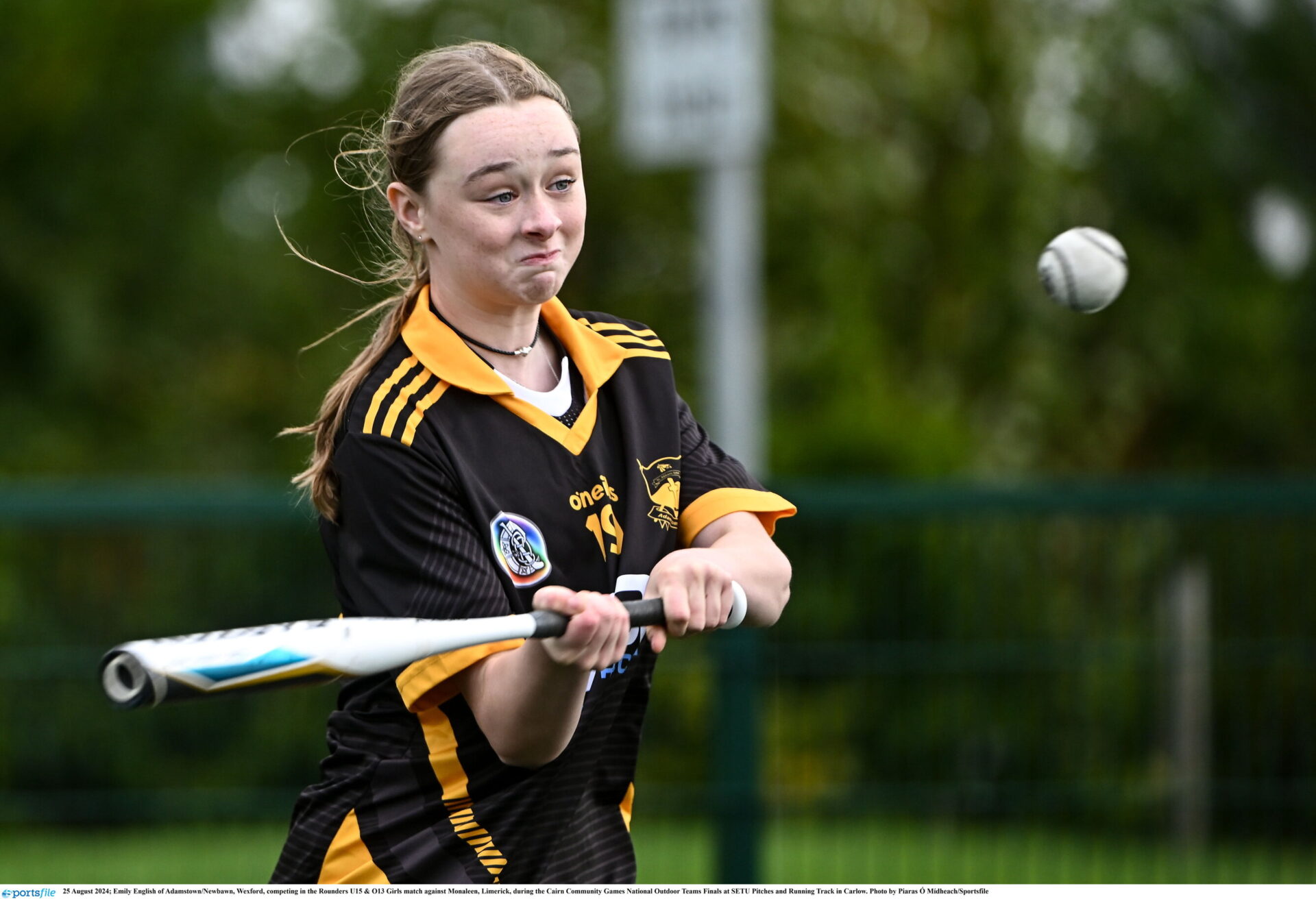
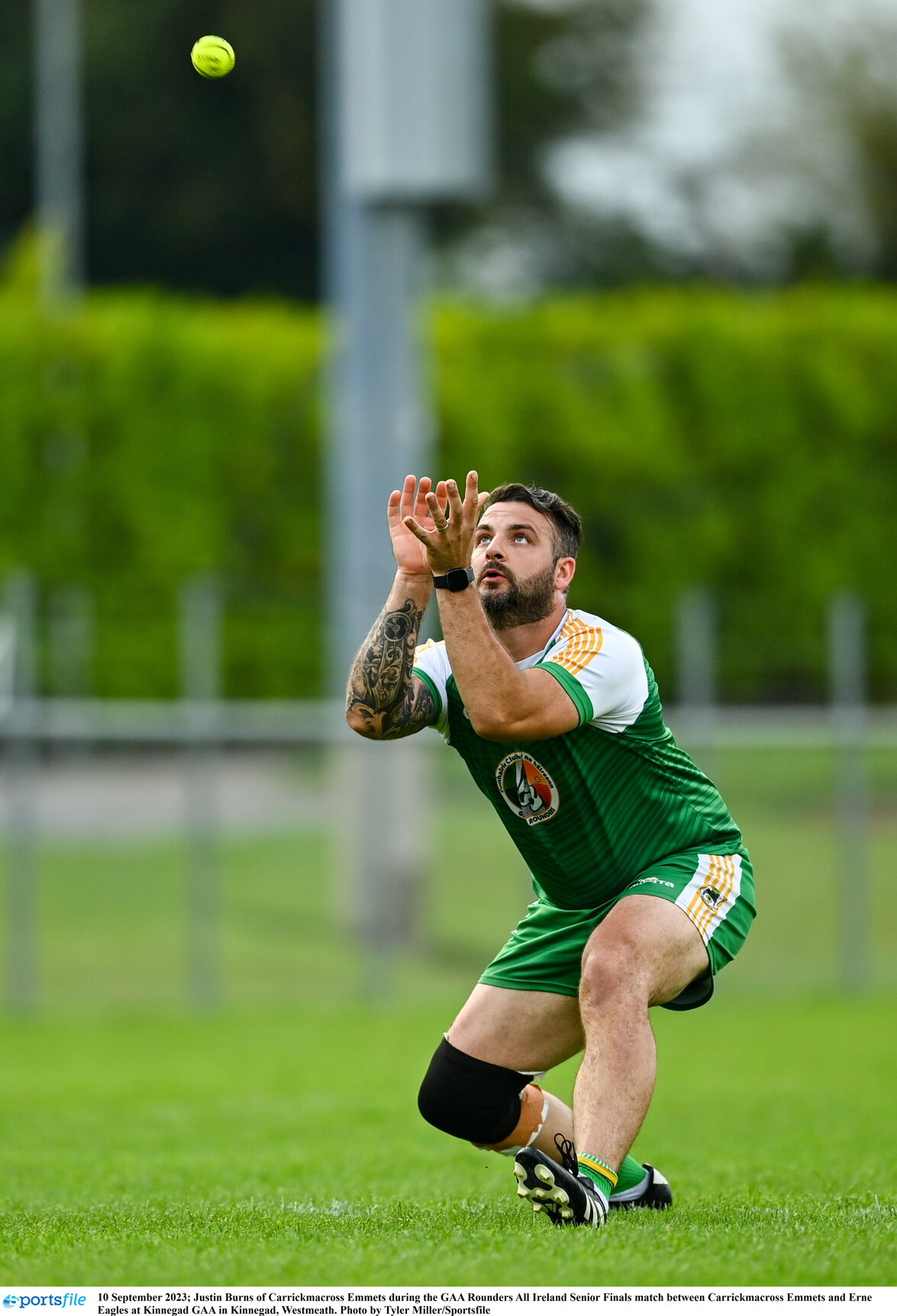
Rounders is one of the ancestors of American baseball, still alive and practised across the island through clubs and competitions organised by the GAA. A history of migrations and memories that crossed the Atlantic and has never stopped returning.
The Gaelic Athletic Association is one of the largest amateur sporting and cultural organisations in the world. Founded by Michael Cusack over 140 years ago, it has evolved into a modern expression of Irish identity and culture, proudly promoting a family of games and community activities for children and adults alike. Gaelic Games Europe is the governing body for the GAA across continental Europe, delivering Gaelic Football, Ladies Gaelic Football, Hurling, Camogie, Handball and Rounders across more than 23 countries. Fully integrated across male and female participation, Gaelic Games Europe works through schools, clubs and universities to connect communities and share Irish culture through sport.
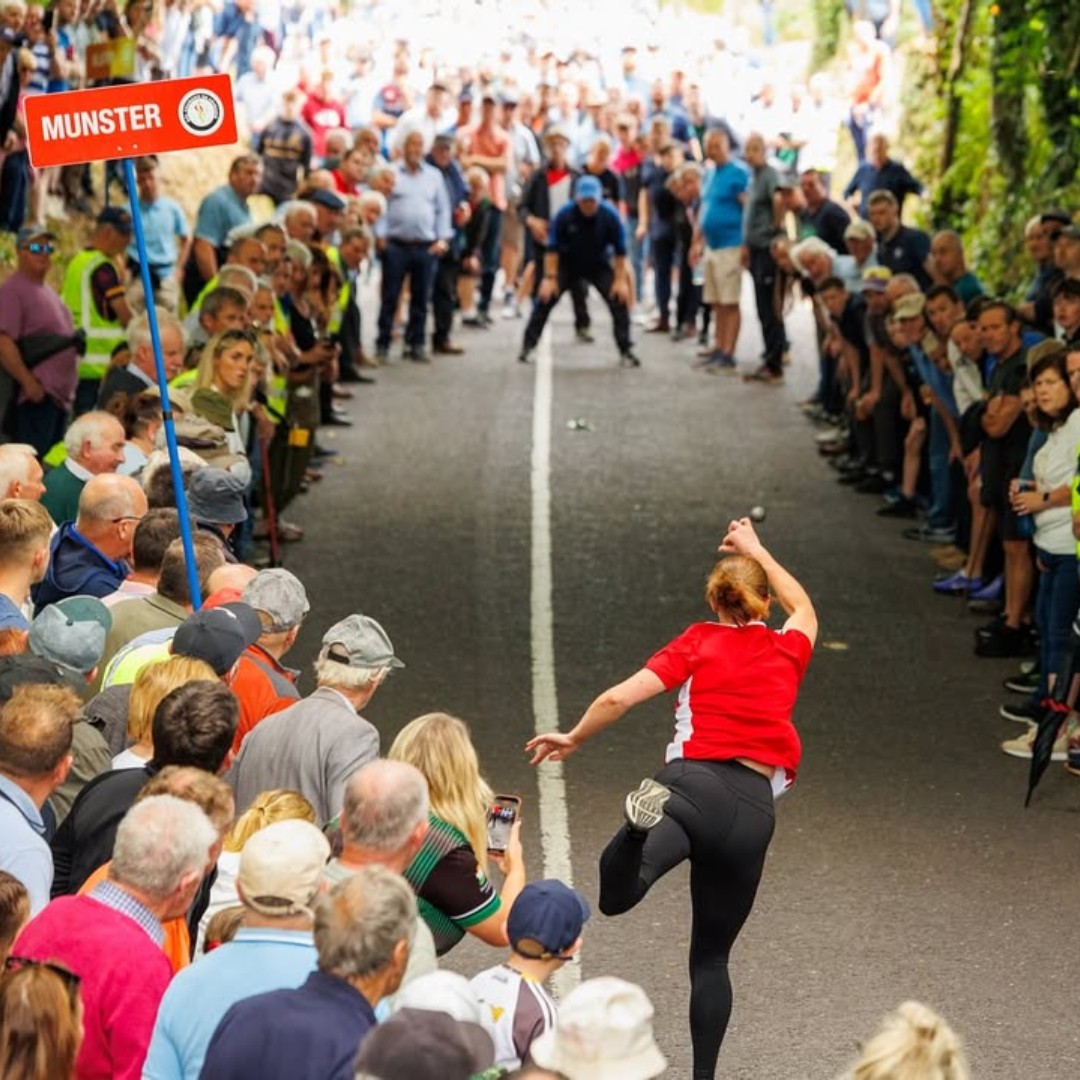
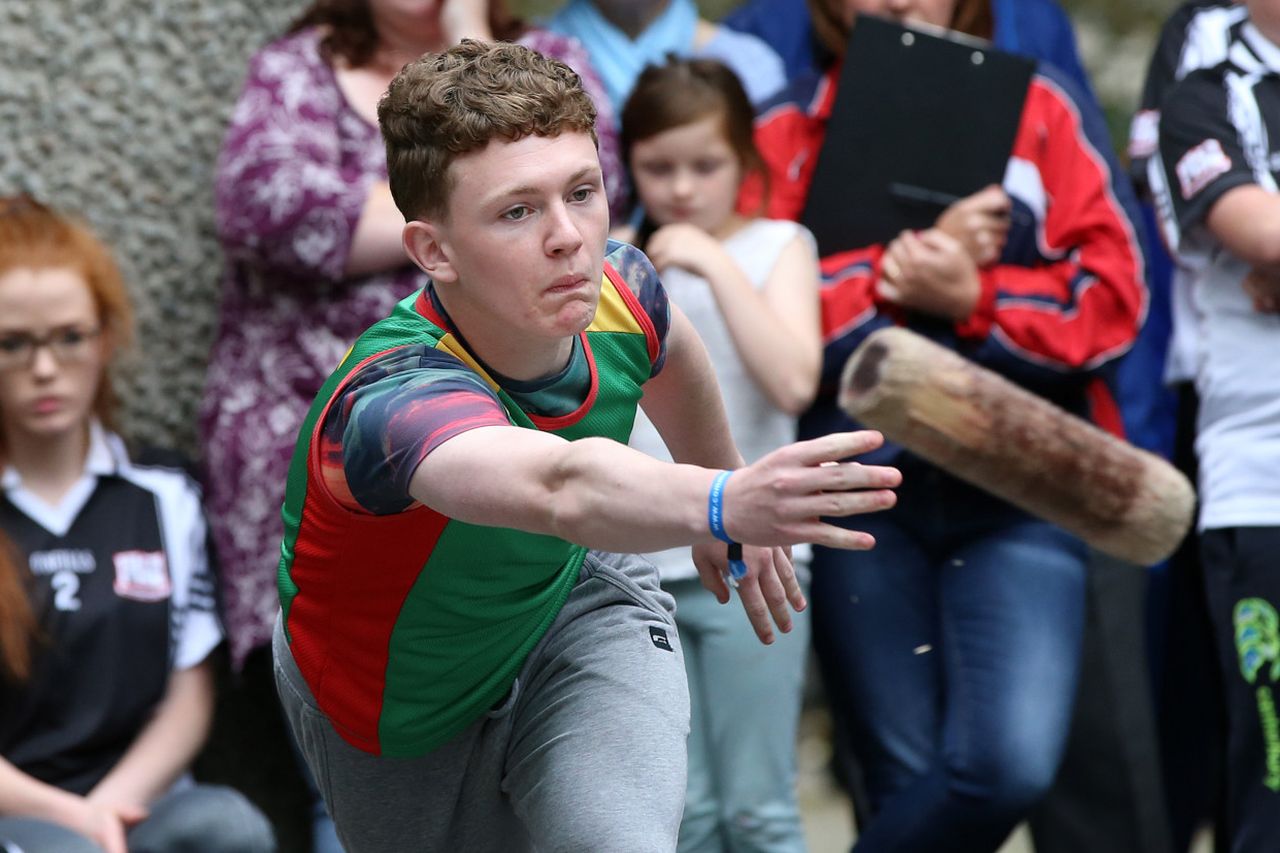
Ból an bhóthair (road bowling) is perhaps the most surprising game. An iron ball thrown along country roads for kilometres, with the crowd walking alongside the players, discussing the trajectory, suggesting the right line. It is one of the few sports in the world where the audience moves with the game, instead of waiting for the game to come to them. The premise is disarmingly simple: whoever reaches the finish line with the fewest throws wins. But within that simplicity lies a reading of the terrain — the bends, the rises, the edges of the road — that is ancient knowledge, passed on by word of mouth, refined over the years.
At Tocatì, Ból an bhóthair will meet the street Bocce of Urbino: two traditions sharing the same calling.
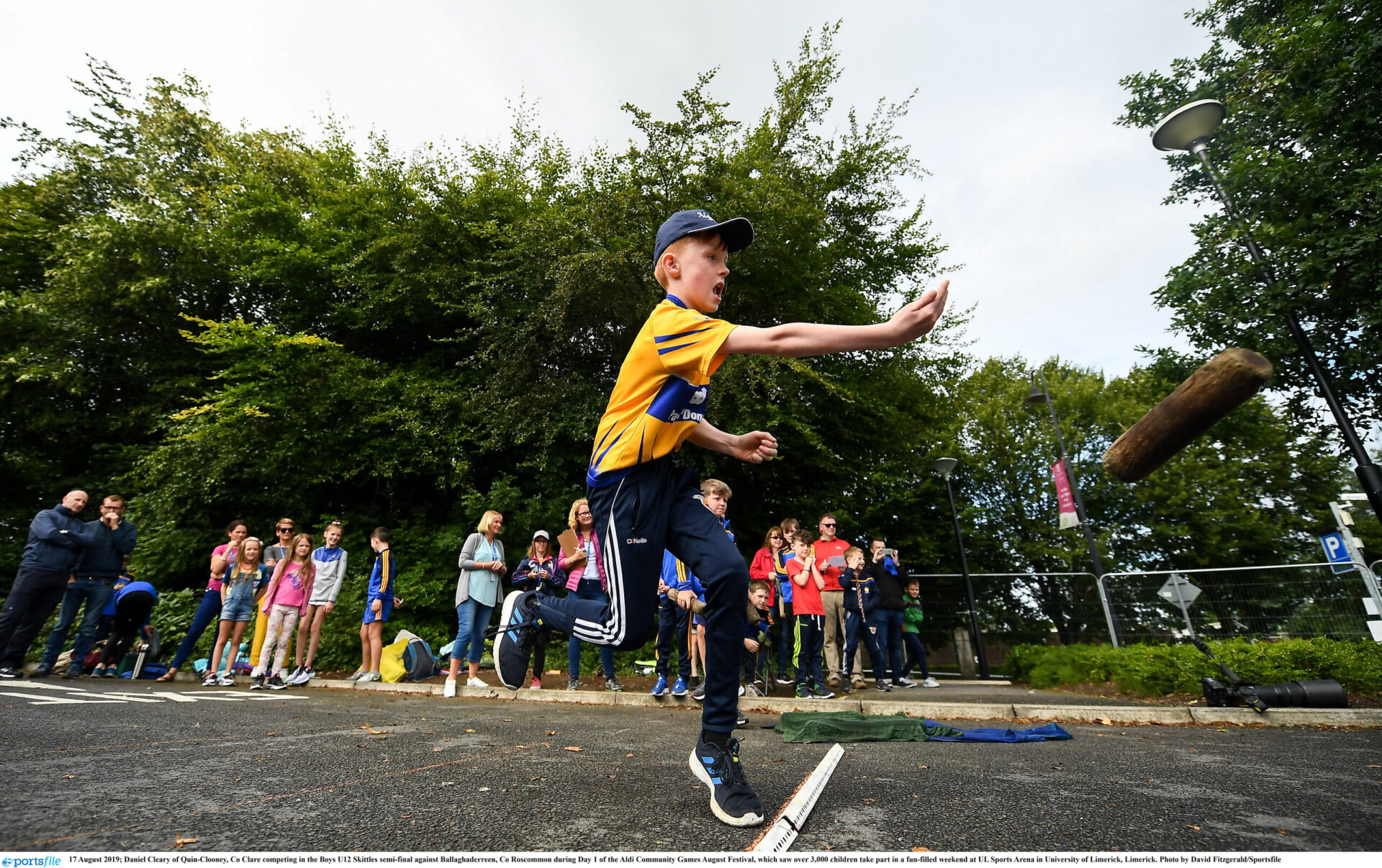
Skittles and pub games such as cards and darts complete the picture of a play culture that never separates game from conviviality. In Ireland, the pub is a place of culture, music and collective stories. Bringing those games into the streets of Veronetta means bringing that spirit too.
The Music That Accompanies Everything
In Ireland, play is never separate from music. The Uilleann Pipes, the Irish bagpipes played with a bellows pumped by the elbow rather than the breath, offer an important way of socialising and play a fundamental role in the key moments of community life: weddings, funerals, celebrations. They give a sense of rootedness and connection to the past. They are recognised by UNESCO as IntangibleCultural Heritage.
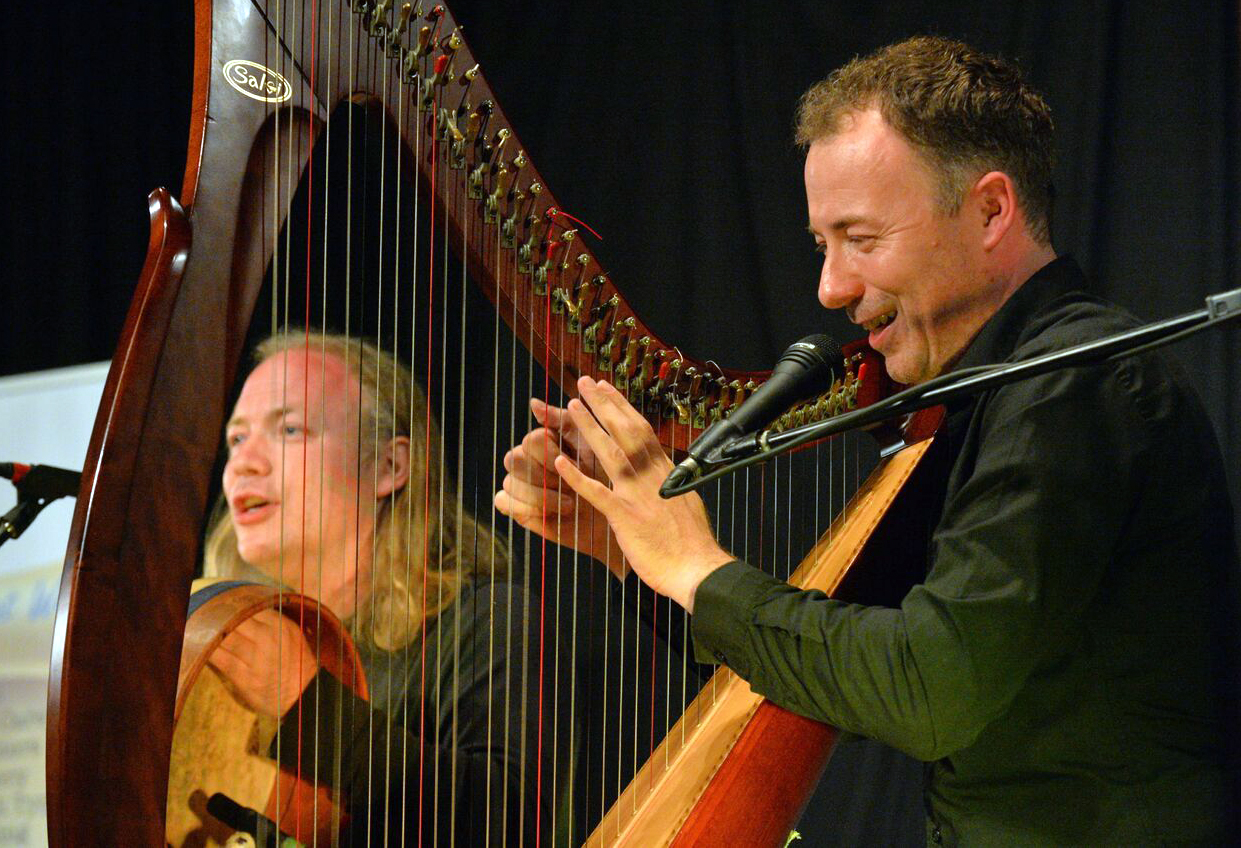
The clàirseach, the Celtic harp, is the emblem of Ireland: it appears on coins, on state insignia, engraved in the memory of a people. Harpers were regarded as figures of great respect in ancient Ireland, often accompanying their patrons on journeys and solemn occasions. The harp accompanied the tales of the bards, the stories of places, the poetry of the land. This too is UNESCO Intangible Cultural Heritage.
At Tocatì you will be able to listen — and to try. Workshops in Uilleann Pipes and Celtic harp will invite you to enter, with your hands and your ears, a living and vibrant world.
An Invitation to Participate
Stepping into the Irish area of Tocatì means stepping into an island that has always made play a space of freedom. Not a re-enactment, not a performance: a living practice, brought by those who truly practise it, on the streets of everyday life, in the counties of Cork and Derry, in the meadows of Gaelic communities across Europe.
The simplest greeting in Irish is fáilte: welcome. It is also the way Ireland presents itself to the world, with the open gesture of those who know that every encounter is a beginning.
Ph credits: Ph credits: Sam Barnes, Irish Independent, GAA, Tourism Irland, Kieran Kummins